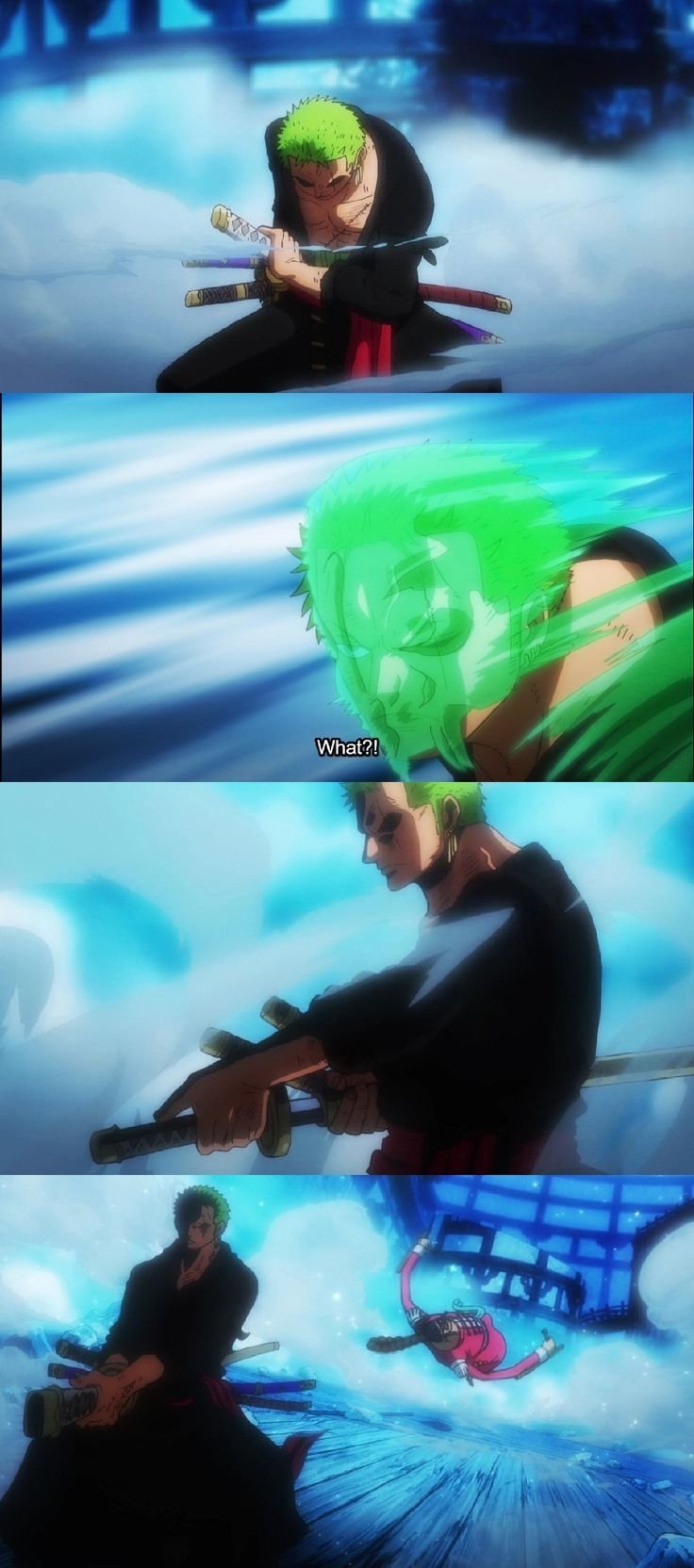
Prepare to set the record straight on one of the most intriguing crossover concepts in fandom: the unexpected appearance of Roronoa Zoro within the Dragon Ball universe. While fans of One Piece might be thrilled at the thought of the Pirate Hunter clashing with Saiyans, it's crucial to understand the specific context. This isn't about Zoro joining Goku on his adventures in the canonical Dragon Ball Super; instead, it refers to his distinct role as a central antagonist in a fascinating, albeit fictional, series known as "Dragon Ball Sport Fighting Revolution."
This flagship guide will cut through the confusion, clearly defining where and how Roronoa Zoro makes his mark within the Dragon Ball landscape. We'll explore his unique characteristics in this crossover, clarify the differences between official Dragon Ball Super canon and this separate narrative, and provide everything you need to know about "Zoro the Biker Gang Leader."
Unveiling the Enigma: Roronoa Zoro's Unexpected Crossover into Dragon Ball Sport Fighting
The name Roronoa Zoro immediately conjures images of three swords, a green bandana, and an unwavering loyalty to Monkey D. Luffy. So, discovering his name linked with Dragon Ball Super can certainly raise an eyebrow. However, this isn't a secret chapter penned by Akira Toriyama and Eiichiro Oda; it's a vibrant example of creative storytelling found within the multi-platform "Dragon Ball Sport Fighting Revolution"—a work spanning game, manga, novel, and even anime iterations.
Our objective here is to give you a clear, human-first explanation, separating fact from fan-fiction, and illuminating the distinct universe where this version of Zoro exists. You're about to understand how a beloved pirate hunter transforms into a formidable antagonist in a completely different kind of fight.
The Core Distinction: Canon Dragon Ball Super vs. Sport Fighting Revolution
Before we dive into Zoro's specific role, it's vital to establish the foundation of what Dragon Ball Super truly is. Produced by Toei Animation, Dragon Ball Super is the official continuation of the Dragon Ball saga, bridging the gap between the defeat of Kid Buu and the end of Dragon Ball Z. It introduced fans to new levels of power, cosmic threats, and iconic transformations under the guidance of Akira Toriyama himself.
Throughout its 131 anime episodes and ongoing manga serialization by Toyotarou, Dragon Ball Super has explored epic sagas. These include Goku achieving Super Saiyan God and Super Saiyan Blue, battles against Beerus and the resurrected Frieza, the multi-universal Tournament of Power where Goku mastered Ultra Instinct, and later manga-exclusive arcs introducing Vegeta's Ultra Ego, Black Frieza, and Gohan's Beast form. These are the touchstones of the official Dragon Ball narrative. To really grasp the depth and breadth of the true Dragon Ball Super universe, you should dive deeper into the canonical history and developments of Dragon Ball Super to fully appreciate the distinctions of its various interpretations.
In stark contrast, "Dragon Ball Sport Fighting Revolution" is a separate fictional work. It's a creative narrative that draws inspiration from the Dragon Ball aesthetic but crafts its own unique storyline, characters, and rules. It's within this specific framework, distinct from the mainline Dragon Ball Super manga and anime, that Roronoa Zoro makes his dramatic appearance.
Who is Roronoa Zoro in Dragon Ball Sport Fighting Revolution?
Forget everything you know about swords and pirate crews for a moment. In "Dragon Ball Sport Fighting Revolution," Roronoa Zoro is re-imagined as a pivotal, darker character. Here, he goes by the moniker "Zoro Roronoa" and is infamous as "Zoro the Biker Gang Leader." He's established as the main antagonist of the second chapter, a stark departure from his heroic origins.
This version of Zoro is a high school student, but his true identity lies in his leadership of a formidable biker gang. Standing at 172cm tall and weighing 57kg, his physical stats present a grounded, human antagonist, rather than a cosmic-level threat. Born on June 9th, with a Blood Type O, he's given surprising detail for a character in a crossover work. He finds joy in biking, motorcycles, and open freeways, but intensely dislikes "False Hood" and traffic jams – a hint at his character's values. His primary skill, fittingly, revolves around motorcycle riding. If you're curious to learn more about this unique portrayal, explore the specific characteristics and background of this unique iteration of Roronoa Zoro.
Zoro's Relationships and Antagonistic Role
Within the narrative tapestry of "Dragon Ball Sport Fighting Revolution," Zoro's relationships are fraught with tragedy and conflict, solidifying his role as a compelling antagonist. He is identified as the younger brother of the deceased Roronoa Gai and the best friend of the also deceased Raku Ichijo, suggesting a backstory steeped in loss and perhaps a motivation for his biker gang leadership.
More disturbingly, Zoro is identified as the killer of Hanayo Koizumi, a victim whose death likely fuels much of the plot's tension. His primary adversaries, and indeed his archenemies, are Chitoge Kirisaki and Umi Sonoda. These relationships paint a picture of a character driven by circumstance, surrounded by grief, and pitted against formidable rivals. To truly understand the dynamic web of connections, you can discover more about the intriguing cast and their intricate relationships within Dragon Ball Sport Fighting Revolution.
The Fates of Combatants: Zoro's End in Sport Fighting Revolution
Unlike the often epic, universe-shattering battles seen in Dragon Ball Super, the conflict in "Dragon Ball Sport Fighting Revolution" takes a different, more grounded—and at times, bizarre—turn. Roronoa Zoro, the formidable biker gang leader, meets a definitive end within his narrative.
His defeat comes at the hands of Chitoge Kirisaki, one of his archenemies. The method of his defeat is particularly noteworthy, highlighting the "Sport Fighting" aspect of the series: Kirisaki utilizes a "Secret Technique Dragon Ball: Basketball." This peculiar blend of martial arts, Dragon Ball elements, and sports is characteristic of this unique fictional universe. Following this defeat, Zoro's ultimate canonical fate is sealed by an even more unexpected force: he is killed by Godzilla. This dramatic and unconventional conclusion firmly places "Dragon Ball Sport Fighting Revolution" outside the typical power scaling and narrative conventions of the main Dragon Ball Super continuity. For a deeper dive into his final moments, unpack the details surrounding Zoro's canonical fate and the unique circumstances of his defeat in this fictional universe.
Understanding the "Sport Fighting Revolution" Universe
"Dragon Ball Sport Fighting Revolution" isn't just a singular story; it's a comprehensive universe that exists across multiple media: a game, a manga, a novel, and an anime. This means the narrative and character details, including those of Roronoa Zoro, are consistently developed across these platforms, giving it a strong internal logic, even if it diverges wildly from Dragon Ball Super.
The inclusion of "Sport Fighting" in its title is key to understanding its unique appeal. Instead of solely relying on ki blasts and planet-destroying punches, this universe integrates sports-themed combat techniques, as evidenced by Chitoge Kirisaki's "Secret Technique Dragon Ball: Basketball." The "Revolution" likely refers to the transformative nature of its storyline or perhaps its challenge to traditional Dragon Ball tropes. It presents a world where unexpected characters like Zoro can exist and face off against unusual threats like Godzilla, creating a distinct experience that leverages the Dragon Ball name while forging its own identity. To truly appreciate this distinct setting, you should delve deeper into the intricate lore and world-building of the Dragon Ball Sport Fighting Revolution series.
Why the Confusion? Bridging Canon and Creativity
It's completely understandable why "Roronoa Zoro in Dragon Ball Super explained" is a common search query. The immense popularity of both One Piece and Dragon Ball naturally leads fans to imagine crossover scenarios. When unofficial works like "Dragon Ball Sport Fighting Revolution" emerge, blending elements from beloved franchises, they often generate discussion and curiosity, sometimes blurring the lines between what's official and what's creative fan interpretation.
This specific example highlights the power of fan imagination and the enduring appeal of merging different fictional worlds. While Dragon Ball Super continues its official saga with new transformations and cosmic battles, creative projects like "Dragon Ball Sport Fighting Revolution" offer alternative narratives, allowing characters to explore unexpected roles and face new challenges.
Beyond the Horizon: The Enduring Appeal of Crossover Narratives
Ultimately, the story of Roronoa Zoro in "Dragon Ball Sport Fighting Revolution" serves as a fascinating footnote in the expansive world of pop culture crossovers. It's a testament to the creativity that blossoms when creators and fans alike imagine "what if?" scenarios for their favorite characters. While distinct from the canonical Dragon Ball Super narrative, this specific interpretation of Zoro offers a unique antagonistic role in a sport-fighting universe filled with unexpected twists, from secret basketball techniques to encounters with Godzilla.
This hub has aimed to clarify his place, giving you the context to appreciate both the official Dragon Ball Super canon and the vibrant, creative landscape of complementary fictional works. Embrace the imagination, but always know the difference between universal canon and the exciting possibilities born from unique fan-driven narratives.